Understanding Kitchen Requirements
The kitchen is a unique space within the home that presents specific requirements when selecting window blinds. One of the primary characteristics to consider is moisture resistance. Kitchens are often exposed to humidity and steam due to cooking activities.





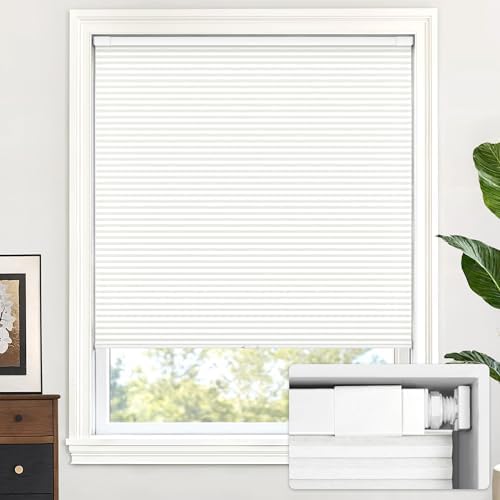
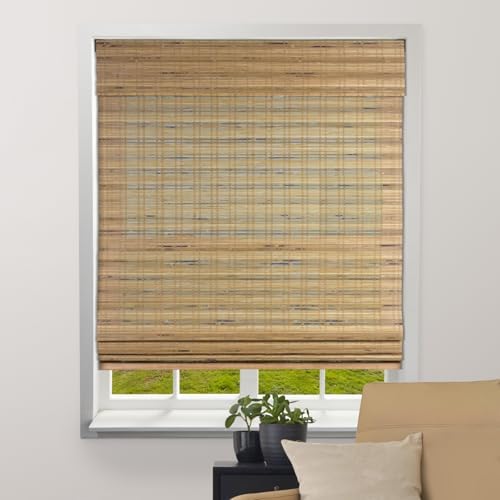

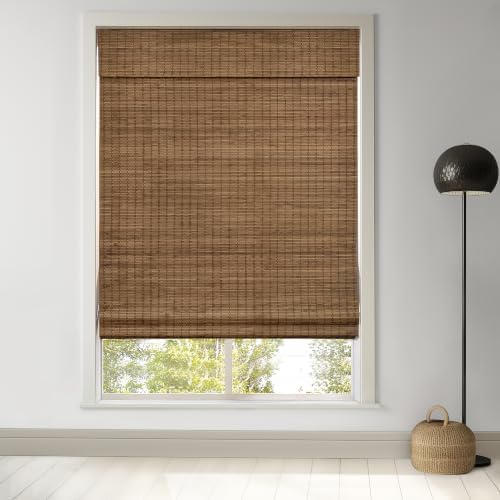
Therefore, it is crucial to choose blinds made from materials that can withstand these conditions without warping or degrading. Vinyl, faux wood, and aluminum are materials that are particularly resilient against moisture and are thus highly recommended for kitchen environments.
In addition to moisture resistance, ease of cleaning is another vital consideration. Cooking can lead to splatters and stains, making it essential for window treatments to be easily maintainable. Blinds that are made of smooth materials can be wiped down quickly, while fabric blinds often require more extensive cleaning. Therefore, opting for blinds designed specifically for kitchens will facilitate easier upkeep, ultimately enhancing the functionality of the space.
Light control is also a significant factor influencing the choice of blinds in a kitchen. Different cooking styles and meal preparation times necessitate varying levels of natural light. Window blinds should provide the flexibility to regulate light effectively, ensuring that the kitchen remains bright and welcoming while also allowing for privacy when needed. Blackout blinds may be suitable for kitchens with limited window exposure, while sheer materials may suffice in brighter areas. Furthermore, the orientation of the windows can dictate the type of blinds that will be most effective in managing sunlight throughout the day.
Lastly, understanding the functionality of the kitchen is critical. The activities performed within the space, such as intensive cooking or entertaining guests, can influence the choice of window coverings. Blinds should not only reflect the style and aesthetic of the kitchen but also support the practical needs of the household. By recognizing these unique characteristics, homeowners can select the perfect window blinds that enhance both the utility and ambiance of the kitchen.

- Vinyl
- Inside Mount ONLY. For better internal installation, blinds width will 2/5″ narrower. Actual Blinds Size is 34 3/5″ W x …
- No Drill Blinds: LazBlinds patented technology No Tools-No Drill system allow it no need to drill any holes on your wind…
Different Types of Window Blinds
When selecting window blinds for your kitchen, it is essential to consider the various types available, each offering distinct advantages and disadvantages. Understanding these options will help you make a well-informed choice that complements your kitchen’s design and functionality.
One of the most popular choices are roller blinds, known for their sleek appearance and ease of use. Available in a variety of colors and patterns, roller blinds can effectively block out light while providing a clean and modern look. They are typically low-maintenance and can be wiped down easily, making them suitable for kitchens where spills may occur.
Vertical blinds, although often associated with larger windows or sliding doors, can also be a viable option for kitchens. They are functional and can be adjusted to control light levels while offering a unique aesthetic. However, vertical blinds may require more maintenance due to their slat system, which can trap dust and grease over time.
Roman shades offer a more elegant option for kitchen windows. These fabric blinds can add warmth and texture to your space. They are available in various materials, including light-filtering and blackout options, providing flexibility in light control. However, Roman shades demand more attention to maintenance as fabric can absorb odors and moisture.
Wood and faux wood blinds are another excellent choice, particularly for traditional and farmhouse-style kitchens. They impart a classic charm and can be easily customized to fit your specific design. While real wood blinds provide an authentic look, faux wood blinds offer the durability and moisture resistance needed in a kitchen environment. Though they may require periodic cleaning, their robust construction often makes them a long-lasting option.
By considering the aesthetics, functionality, and maintenance of these different window blinds, homeowners can select the best option that aligns with their kitchen style, whether modern, traditional, or farmhouse. Each type presents its unique characteristics, making it essential to evaluate them based on individual kitchen needs and preferences.

- Cordless & Child-Safe Design. Modern cordless lift removes dangling cords for a safer, cleaner look in homes with childr…
- Adjustable Light Filtering to Room Darkening. Tilt the 1″” vinyl slats to shift from gentle daylight to room-darkening p…
- Moisture-Resistant Vinyl for Kitchens & Bathrooms. Durable, warp-resistant vinyl slats perform well in humid environment…
Color and Style Considerations
Choosing the right color and style of window blinds for your kitchen is a vital aspect of interior design that can significantly influence the overall atmosphere of the space. The concept of color psychology suggests that different colors evoke various emotions and moods. In the context of a kitchen, a warm color palette featuring shades of yellow, orange, or red can enhance energy and stimulate appetite, making them suitable choices for a lively cooking environment. Conversely, cooler tones such as blue or green can impart a sense of calm and tranquility, creating a refreshing ambiance.
When selecting blinds, consider not only the color but also the patterns and textures that can enrich the visual appeal of your kitchen. Subtle patterns, such as stripes or floral prints, can add a charming detail without overwhelming the space. Textured fabric blinds can introduce depth and tactile interest, enhancing the sensory experience of the kitchen. To ensure that the blinds integrate seamlessly into your kitchen design, consider coordinating them with existing elements such as cabinets, countertops, and wall colors. For instance, if your cabinetry features a particular wood tone, selecting blinds that complement or contrast with that hue can create a harmonious look.
It is also essential to think about the style of the blinds themselves, which can range from contemporary to traditional. Window treatments should reflect the kitchen’s overall decor while also serving functional needs such as privacy and light control. A minimalist blind design may work well in a modern kitchen, while classic Roman shades could enhance a rustic or farmhouse-style kitchen. Ultimately, the selected blinds should not only contribute to the kitchen’s aesthetic but should also cater to its practical requirements, achieving a balanced and cohesive look.
Installation and Maintenance Tips
When it comes to installing window blinds in your kitchen, precise measurements are vital to ensure a perfect fit. Begin by taking accurate measurements of your window frame. Measure the width at the top, middle, and bottom, noting the narrowest width. For the height, measure from the top of the window frame to the desired length, typically either at the window sill or just below it. These measurements will guide you in selecting the right size blinds for your space. Once you receive your blinds, follow the manufacturer’s installation instructions carefully. Basic installation typically involves attaching brackets to the wall or window frame and securing the blinds in place. A level can help ensure that the blinds hang evenly, enhancing the aesthetic appeal of your kitchen.
Maintaining your kitchen blinds is equally important in preserving their appearance and functionality. Each type of material requires specific care. For faux wood blinds, a simple dusting with a soft cloth or gentle wipe with a damp sponge will suffice. Avoid harsh chemicals that may damage the finish. Fabric blinds, on the other hand, may need laundering or steam cleaning, depending on the manufacturer’s guidelines. Ensure to check the label for instructions on how to wash them safely, maintaining their structure and color.
Common issues with kitchen blinds may include sticking, uneven slats, or difficulty in raising and lowering. If your blinds get stuck, inspect the mechanism for obstructions or debris. Regularly cleaning the cords and ensuring they are free from tangles can also improve functionality. Additionally, if any slats are bent or misaligned, gently straighten them to prevent further damage. By following these installation and maintenance tips, you can keep your kitchen blinds in optimal condition while enhancing the overall ambiance of your cooking space.