- THIS DOMAIN NAME **CITYKITCHENS.COM** IS FOR SALE
- Arcelik A.S.
Address: Eski Buyukdere Caddesi No: 45, 34394 Levent, Istanbul, Turkey
Website: https://www.arcelik.com.tr - Bosch Home Appliances
Address: Robert-Bosch-Platz 5, 70839 Gerlingen, Germany
Website: https://www.bosch-home.com - Electrolux AB
Address: Sankt Sigfrids Plan 8, SE-105 45 Stockholm, Sweden
Website: https://www.electroluxgroup.com - Samsung Electronics Co., Ltd.
Address: 129 Samsung-ro, Yeongtong-gu, Suwon-si, Gyeonggi-do, South Korea
Website: https://www.samsung.com - LG Electronics Inc.
Address: LG Twin Towers, Yeouido-dong, Yeongdeungpo-gu, Seoul, South Korea
Website: https://www.lg.com - Whirlpool Corporation
Address: 200 North Main Street, Benton Harbor, Michigan, USA
Website: https://www.whirlpoolcorp.com - Siemens AG
Address: Werner-von-Siemens-Strasse 1, 80333 Munich, Germany
Website: https://new.siemens.com - Miele & Cie. KG
Address: Carl-Miele-Straße 29, D-33332 Gütersloh, Germany
Website: https://www.miele.com - Fisher & Paykel Appliances Ltd.
Address: Level 1/4 Harris Road, East Tamaki, Auckland 2013, New Zealand
Website: https://fisherpaykel.com - Beko Plc
Address: Beko House, Beko Street, Istanbul Park Industrial Zone, Istanbul Turkey
Website: https://www.beko.co.uk
Understanding Your Cooking Style
Choosing the best kitchen design begins with a thorough understanding of your cooking style, as this will significantly influence your kitchen layout, necessary appliances, and storage solutions. Each individual has unique cooking habits, and recognizing these will help in tailoring a kitchen that suits your specific needs. Identifying whether you engage in casual cooking, gourmet cooking, or meal prepping is a pivotal first step in this process.

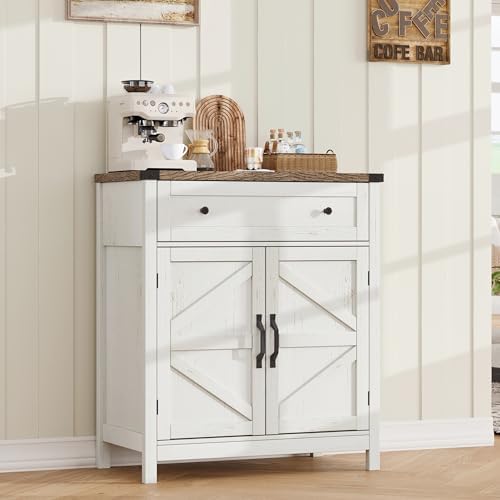
Casual cooking generally involves simple meal preparations, often using a few essential tools and ingredients. Those who favor this style may require a kitchen layout that promotes ease of access to basic cookware and supplies. In contrast, gourmet cooking is characterized by a more elaborate approach, where individuals prepare intricate meals that may require specialized appliances and ample counter space. Those who enjoy this style will benefit from a kitchen that includes high-quality tools and resources that allow for creativity and experimentation.
Meal prepping has gained popularity among individuals with busy schedules who prefer to prepare meals in advance, allowing for healthier choices throughout the week. If this describes your cooking style, a kitchen designed with sufficient storage for bulk ingredients and meal storage containers will be essential. Think about your typical meal preparation frequency; do you cook every day, or are you more inclined to prepare meals weekly? Additionally, consider how often you entertain guests and the types of cuisines you frequent.
Ultimately, assessing these factors will lay a strong foundation for identifying your kitchen needs. The popularity of international cuisines today means that developing a kitchen suited to diverse culinary practices may grant you more satisfaction and efficiency in your cooking endeavors.
Evaluating Space and Layout Options
When considering the design of your kitchen, evaluating the available space and selecting an appropriate layout is essential to ensure functionality and comfort. Various kitchen layouts cater to different spatial configurations and user needs, with U-shaped, L-shaped, and galley kitchens being among the most common options. Each layout presents distinct advantages and disadvantages that must be weighed carefully.
The U-shaped kitchen is characterized by three walls of cabinets and countertops, creating an enclosed cooking area. This layout is advantageous for large spaces and allows for ample storage and workspace. However, it may not be suitable for smaller areas, potentially making the kitchen feel cramped.
On the other hand, the L-shaped kitchen features two adjacent walls, offering an open layout that promotes better flow, especially in smaller homes. This design successfully maximizes corner space but can restrict movement unless adequately sized.
In contrast, a galley kitchen, forming two parallel countertop areas, is ideal for smaller spaces, providing efficient work processes. It does, however, have limitations regarding additional storage and can feel narrow if not designed with care.
To effectively choose a layout that suits your needs, accurate measurement of your kitchen space is imperative. Ensure to account for the work triangle – the distance between the stove, sink, and refrigerator – which plays a crucial role in optimizing cooking efficiency. Consider also the traffic flow within your kitchen to prevent congestion, ensuring that different activities can occur simultaneously without obstruction.
Furthermore, the arrangement should prioritize natural light, as well as meet the storage needs of your household. Accessibility features are essential for families with specific requirements, ensuring that everyone can comfortably navigate the kitchen environment. Proper planning and consideration of these factors will allow you to tailor a kitchen that not only meets your functional needs but also enhances your overall cooking experience.
Selecting Essential Appliances and Fixtures
Choosing the right appliances and fixtures is a pivotal aspect of designing an efficient and aesthetically pleasing kitchen. The major appliances, such as refrigerators, ovens, and dishwashers, serve as the backbone of kitchen functionality. When selecting these items, it is essential to evaluate your cooking needs, family size, and lifestyle habits. For instance, if you often entertain guests, consider larger models or dual ovens that can accommodate substantial meals.
Additionally, energy efficiency is a significant factor. Look for appliances bearing the ENERGY STAR label, which indicates that they meet strict energy efficiency guidelines. These appliances not only reduce energy consumption but also lower your utility bills, providing long-term savings. Beyond energy efficiency, integrating smart technology into your kitchen appliances can enhance convenience. Smart refrigerators that track inventory or ovens that can be controlled remotely make cooking more manageable and enjoyable.
Smaller appliances, such as blenders, microwaves, and coffee makers, also play a vital role in boosting kitchen efficiency. Consider your daily routines and select appliances that align with your cooking style. For instance, if you prepare smoothies frequently, investing in a high-quality blender is essential. On the other hand, if you prefer quick meals, a toaster oven or a multi-cooker may better suit your needs.
Equally important are the kitchen fixtures, including sinks, faucets, and lighting. Selecting a durable, well-designed sink can significantly impact both functionality and aesthetics, while high-quality faucets ensure ease of use. Lighting is also crucial; consider layered options, such as task lighting for workspaces and ambient lighting for a warm atmosphere. Ultimately, aligning the style of your appliances and fixtures with the overall kitchen theme enhances the space’s visual appeal while ensuring maximum functionality.
Personalizing Your Kitchen Design
When embarking on the journey of personalizing your kitchen design, it is essential to consider your individual style and preferences. A kitchen serves not only as a functional space for cooking but also as a central gathering place in the home. Therefore, creating an environment that reflects your unique taste is vital. One of the primary aspects to focus on is the color scheme. Whether you prefer bold, vibrant colors or soft, muted tones, your choice of hues can significantly impact the kitchen’s overall ambiance. Pairing contrasting colors can create visual interest, while a monochromatic palette can evoke a sense of tranquility.
Materials also play a crucial role in kitchen personalization. Opt for countertops that not only suit your style but also cater to your practical needs. Natural stone options, such as granite or quartz, offer durability and aesthetic appeal, while engineered surfaces can provide unique textures and patterns. Similarly, cabinetry choices should marry form and function; selecting the right finishes and styles, such as shaker or modern, will enhance your kitchen’s character.
In addition to colors and materials, decorative elements can be employed to further personalize your space. Consider adding artwork, stylish lighting fixtures, and decorative hardware to infuse personality into the design. A cohesive kitchen can also uplift the overall ambience of your home, so align your kitchen’s design with adjacent rooms for a seamless flow. Moreover, embracing sustainable choices, such as energy-efficient appliances and eco-friendly materials, can harmonize aesthetics with environmental consciousness. Finally, innovative storage solutions like pull-out drawers and hidden compartments not only enhance functionality but also contribute to a clean, uncluttered kitchen environment. Thus, with thoughtful consideration and planning, your kitchen can become a beautiful reflection of your personal style, while also serving your everyday needs efficiently.
Contact information — Please use contact form on http://www.abshot.com/contact/