Understanding Kitchen Worktops
Kitchen worktops, often referred to as countertops, play a pivotal role in the overall design and functionality of a kitchen. These surfaces are not merely practical; they serve as a central element where cooking, food preparation, and social interaction take place. Therefore, selecting the right kitchen worktop is essential not only for usability but also for enhancing the aesthetic appeal of the kitchen space.
There are various materials available for kitchen worktops, each possessing its unique attributes and advantages. Popular options include granite, quartz, laminate, and wood, among others. Granite, known for its durability and elegance, offers a high-end look while being resilient to heat and scratches. In contrast, quartz countertops provide a non-porous surface, making them more resistant to stains and bacteria, which is vital for food safety. For a more budget-friendly choice, laminate tops present a versatile option that can mimic the appearance of more costly materials, though they may not be as durable or heat-resistant as natural stones.
The impact of kitchen worktops on aesthetics cannot be overstated. They influence the color palette, texture, and overall ambiance of the kitchen. A carefully chosen worktop can tie together various elements of kitchen design, creating a cohesive look that reflects personal style. For instance, a rustic wooden worktop can bring warmth to a contemporary kitchen, while a sleek marble surface may enhance a minimalist design.
Moreover, the choice of worktop material should be aligned with one’s lifestyle and cooking habits. For families that frequently entertain or have children, durable and low-maintenance materials like quartz may be ideal. Conversely, for those who seek an eco-friendly option, reclaimed wood or sustainable materials might prove more appropriate.
Popular Types of Kitchen Worktop Materials
When selecting kitchen worktop materials, homeowners commonly consider several popular options, each offering unique characteristics, benefits, and potential drawbacks. Among these, granite stands out for its natural beauty and resilience. This stone material is resistant to scratches and heat, making it ideal for a busy kitchen environment. However, granite requires sealing to prevent stains, and its weight can necessitate additional support structures.
Quartz, an engineered stone, offers a non-porous surface that is less likely to harbor bacteria compared to natural stone options. Its durability and variety of finishes make quartz a popular choice. Additionally, it requires minimal maintenance, as it does not need to be sealed. Nonetheless, quartz can be costly and may not withstand high temperatures as well as other materials.
Laminate countertops provide a budget-friendly alternative, made from particleboard covered in a decorative layer. These surfaces are available in countless colors and patterns, allowing for versatility in design. They are relatively easy to clean and maintain; however, they can be susceptible to scratches and are not heat resistant, which may affect their longevity.
Wood worktops offer a warm, natural aesthetic, popular for their timeless charm. They are typically easy to install and can be sanded down to remove scratches. However, wood surfaces require regular oiling to protect against water damage and can be prone to warping if not properly maintained.
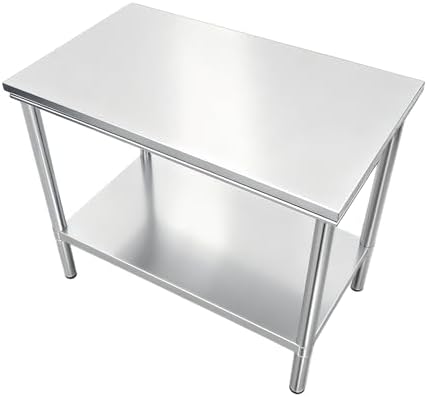
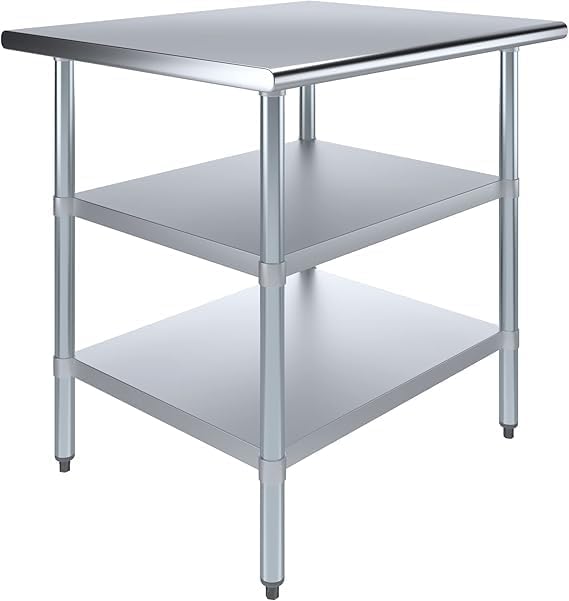
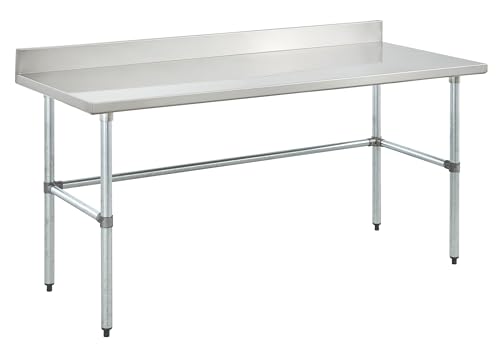
Lastly, stainless steel is favored in professional kitchens due to its unmatched durability and hygienic properties. It withstands heat and is resistant to stains and bacteria. However, stainless steel can be prone to scratches and dents, and its aesthetic may not appeal to all homeowners.
Specialty Worktop Materials
In recent years, specialty worktop materials have gained recognition for their distinct aesthetic qualities, durability, and environmental benefits. Among these materials, concrete stands out due to its versatility and modern appeal. Concrete worktops can be crafted in various finishes and colors, allowing for a highly customizable look that can complement diverse kitchen designs. Furthermore, the durability of concrete makes it resistant to scratches and heat, although it requires periodic sealing to prevent stains and water damage.
Another compelling option is recycled materials, which are gaining popularity among environmentally conscious homeowners. Recycled glass, for instance, can be ingeniously incorporated into worktops, offering an eye-catching array of colors and textures. These surfaces not only add a unique aesthetic element but also contribute to sustainability efforts, as they help divert waste from landfills. Similarly, recycled composite materials, which blend resins with post-consumer products, provide sturdy alternatives that resist stains and scratches, ensuring longevity.
Glass worktops have also carved out a niche within specialty materials. Their sleek and modern appearance makes them favorites in contemporary designs, while their non-porous surface allows for easy cleaning and sanitation. Available in various thicknesses and finishes, glass can create a seamless, elegant look. However, a consideration for potential users is the risk of chipping or scratching, which may compromise their pristine appearance over time.
Lastly, solid surface materials, such as Corian, present an innovative solution for homeowners seeking durability along with a seamless aesthetic. These materials are available in a wide array of colors and patterns, allowing designers to achieve customized visuals without joints or seams. The non-porous nature of solid surfaces means they are resistant to stains and bacteria, appealing to those prioritizing hygiene in their kitchens.
Choosing the Right Worktop for Your Kitchen
Selecting the perfect kitchen worktop is crucial, as it plays a significant role in both functionality and aesthetics. When considering your choice, begin by reflecting on your personal cooking habits and lifestyle requirements. If you frequently engage in meal preparation or entertain guests, opting for a durable surface like granite or quartz may be beneficial. These materials not only withstand high heat and offer excellent scratch resistance but also provide a sophisticated look that enhances your kitchen’s overall appeal.
The design of your kitchen should also influence your decision. A well-coordinated worktop can complement cabinetry and flooring effectively. For instance, a modern kitchen with sleek lines might pair nicely with a polished concrete worktop, while a rustic kitchen could benefit from the warm tones of butcher block. Visualization tools or samples can aid in determining whether a specific worktop color and texture harmonizes with your existing décor, thus creating a cohesive environment.
Budget is another essential factor when choosing a worktop. High-quality materials often come with a higher price tag, so it is essential to weigh the importance of durability against financial considerations. Researching available options helps ensure that you strike the right balance between quality and cost. It is wise to compare different retailers, both online and in stores, to gather information on ongoing promotions and discounts on kitchen worktops.
Lastly, when you have decided on a worktop, hiring a professional for installation is advisable to ensure that it is fitted correctly. Reliable contractors can guide you through the process, from accurate measurements to addressing any challenges that may arise. In summary, consider your cooking habits, match your worktop with your kitchen’s style, assess your budget, and seek professional help for installation to make an informed decision about your new kitchen worktop.